Don’t Abuse SMS Marketing: A Better Way to Follow Up With Customers
Don’t Abuse SMS Marketing
Text messaging can be one of the fastest ways to reach a customer, but that does not mean every message deserves to be sent.
For many small businesses, SMS marketing feels exciting because it is direct. A customer does not have to open an app, check email, or scroll social media to see it. Their phone lights up, the message appears, and your business gets attention.
That attention is valuable. It is also easy to ruin.
When a business sends too many texts, sends weak offers, or messages people who never clearly wanted updates, SMS stops feeling helpful. It starts feeling annoying. Once customers feel bothered, they may unsubscribe, ignore future messages, or lose trust in the business.
Good SMS marketing is not about blasting everyone as often as possible. It is about using a direct channel with respect, timing, and a clear reason.
Why SMS Marketing Feels So Powerful
SMS works because it is simple. Customers already use their phones every day, and text messages are usually seen faster than emails or social posts.
That is why businesses use SMS for appointment reminders, customer follow-up, order updates, event reminders, and special offers. A well-timed text can help someone remember to show up, claim an offer, visit your website, or respond to a lead follow-up.
But that same power makes SMS easy to abuse. A text message feels more personal than a social media post. It shows up in a space people use for family, work, school, and important updates. When your business enters that space, the message needs to feel useful.
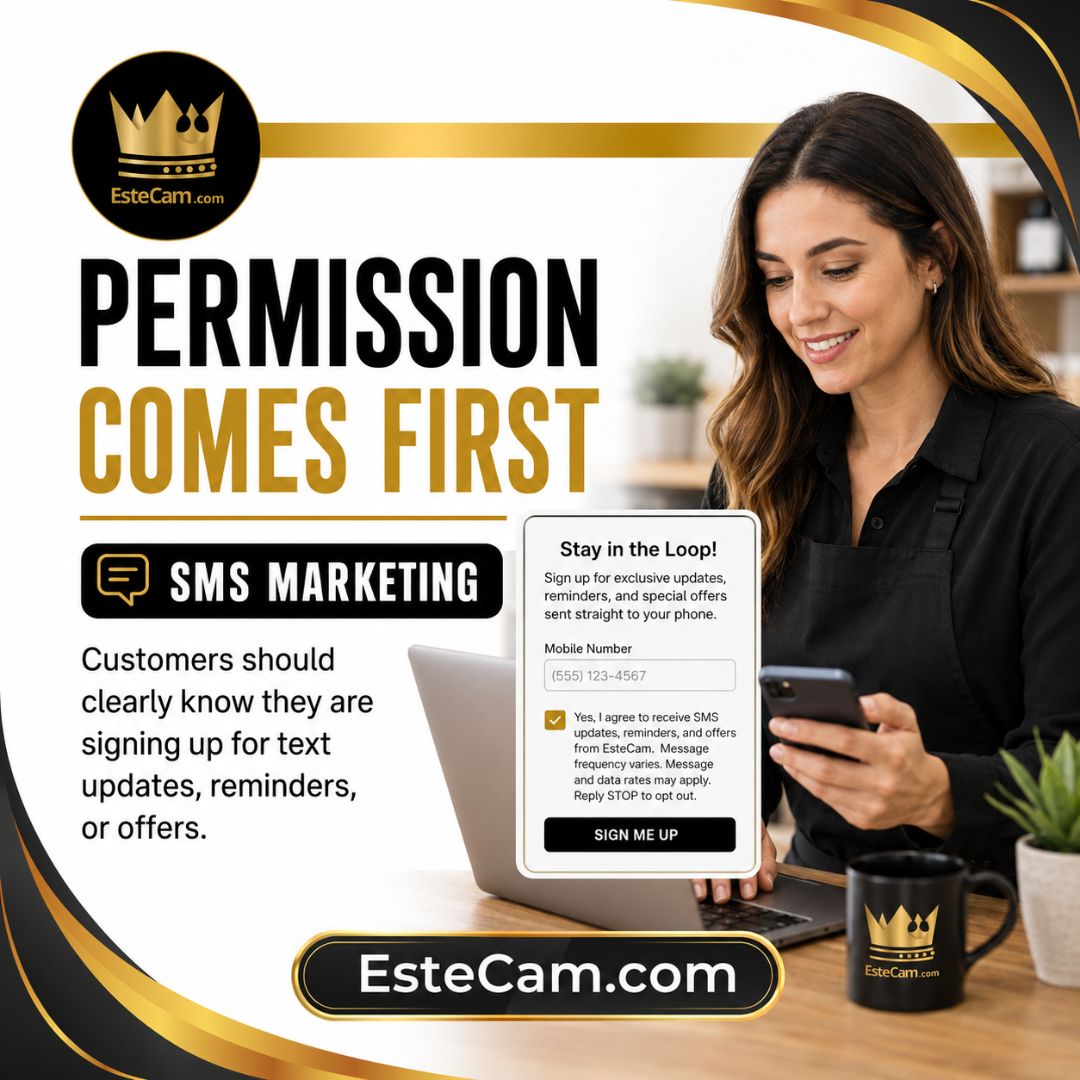
Permission Comes First
Before sending marketing texts, customers should clearly understand what they are signing up for.
This is not just a technical step. It is a trust step.
If someone gives you their phone number for a quote, service call, appointment, or order update, that does not automatically mean they want random promotional texts. Customers should know when they are joining a text list and what kind of messages they can expect.
A simple signup form, clear checkbox, or short explanation can help. For example, a website form can say that customers may receive updates, reminders, or offers from the business. The goal is to remove confusion before the first message is ever sent.
When people choose to hear from you, your messages feel more welcome. When they feel tricked into it, your marketing starts from a bad place.
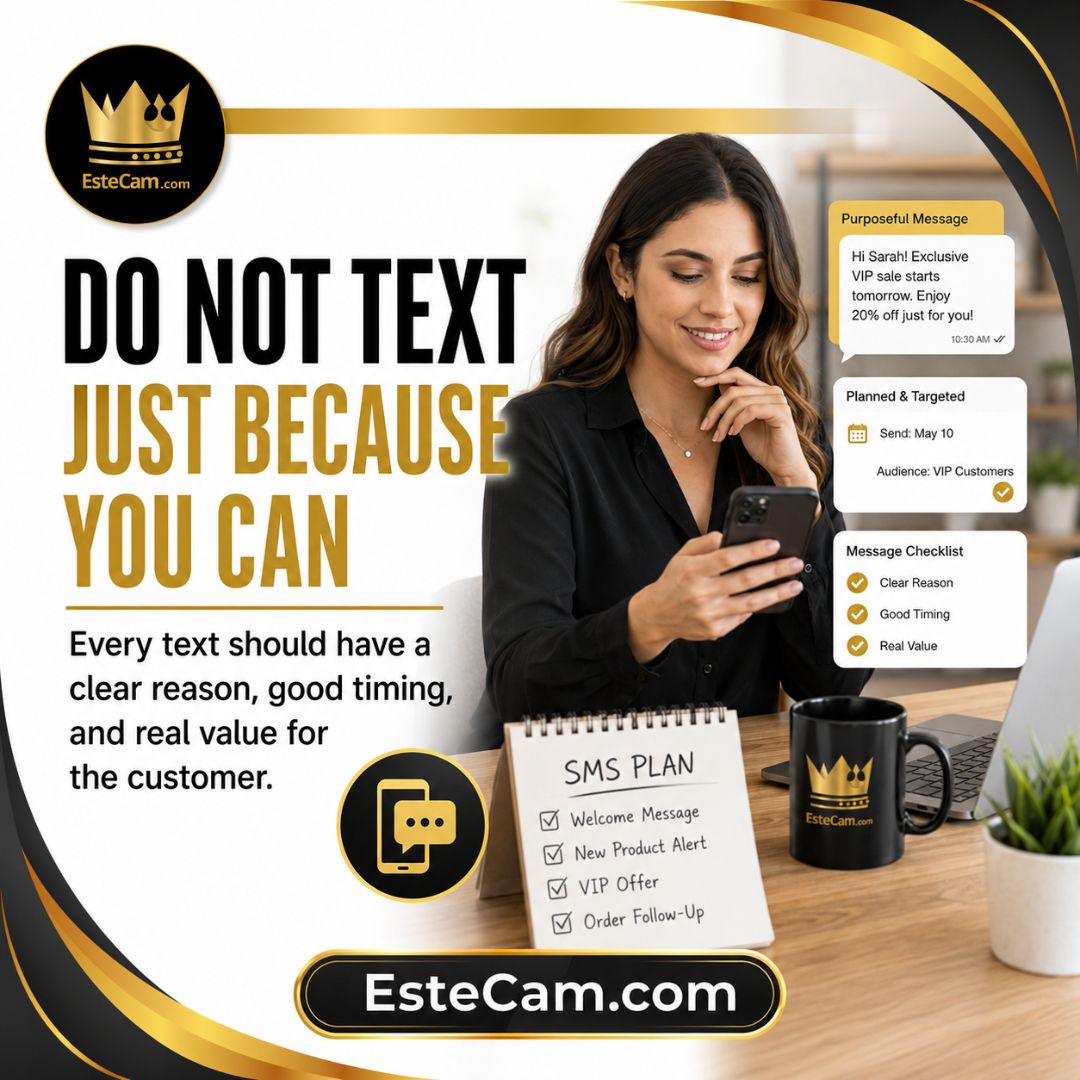
Do Not Text Just Because You Can
One of the biggest SMS mistakes is sending messages without a real purpose.
A text should not exist just because the business has not sent one in a few days. Every message should answer one simple question: why does the customer need this right now?
Good reasons might include an appointment reminder, a new offer, an important update, a restock notice, a limited service opening, or a helpful follow-up after someone requested information.
Weak reasons sound like “just checking in,” “don’t forget about us,” or “we have deals” without context. Customers are more likely to stay on your list when your texts are worth reading. If every message feels random, the list becomes noise.
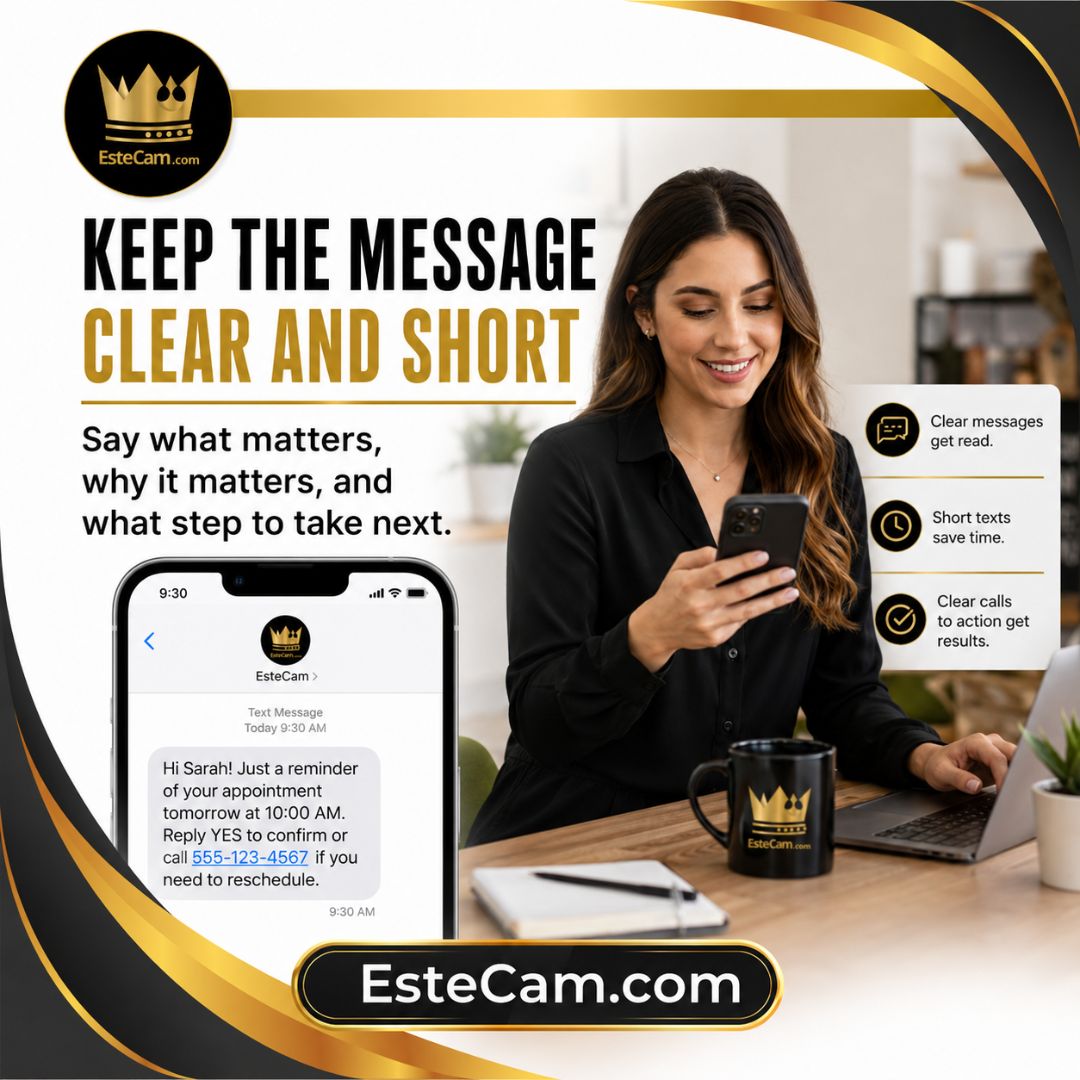
Keep the Message Clear and Short
SMS is not the place for a long sales pitch.
A strong text message should be easy to understand in a few seconds. Tell the customer what is happening, why it matters, and what step they can take next.
For example, instead of writing a long paragraph about your business, a service provider might send:
“Hi, this is a quick reminder that your appointment is tomorrow at 10 AM. Reply here if you need to reschedule.”
That message is useful, clear, and easy to act on.
For marketing messages, the same rule applies. Mention the offer or update, include the next step, and avoid stuffing the message with too many ideas. If the customer needs more details, send them to a landing page or website page that explains everything clearly.
Your website should do the heavier lifting. SMS should guide people there.

Do Not Replace Real Follow-Up With Blasts
Blasting a list is not the same as having a real follow-up system.
If someone fills out a form, asks for pricing, requests a quote, or messages your business, they need a response that matches their interest. A generic blast may not help if the person is waiting for a clear answer.
This is where a simple CRM can make a big difference. A CRM helps organize leads, track who contacted you, and remind your team when to follow up. You can use SMS as part of that process without treating every customer the same.
For example, a new lead might receive a quick confirmation text. A missed call might get a follow-up message. A past customer might receive a helpful reminder when it makes sense. That is much better than sending the same message to everyone and hoping someone replies.
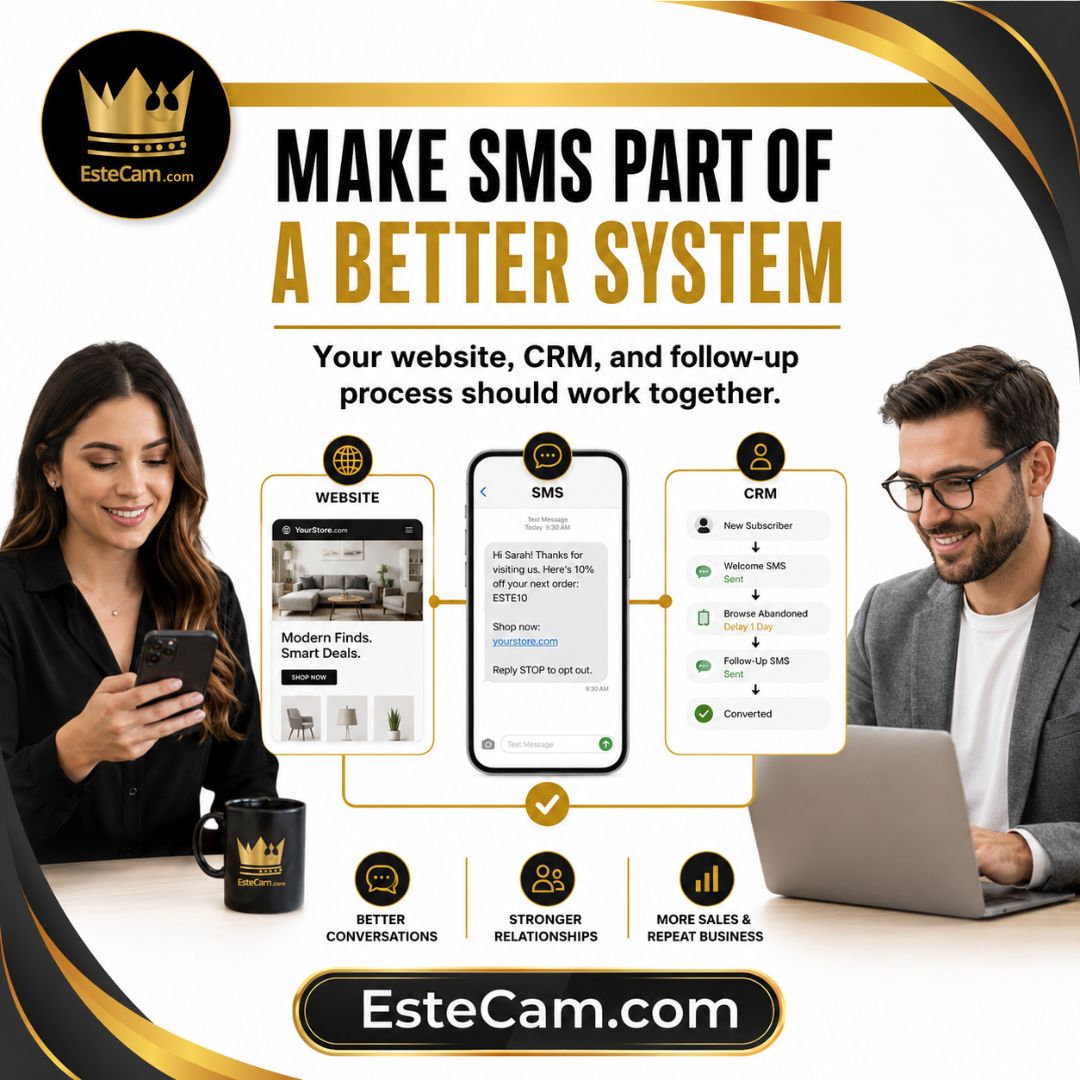
Make SMS Part of a Better Marketing System
SMS is most effective when it connects to a clear customer journey.
If your text sends people to a confusing website, weak landing page, or outdated service page, the message may get attention but still lose the lead.
Before sending more texts, check where the customer lands. Is the offer clear? Is the call-to-action easy to find? Does the page explain what you do, who you help, and what happens next?
Small business marketing works best when every piece has a purpose. Your website should explain. Your local SEO should help people find you. Your content should build visibility. Your CRM should organize follow-up. Your SMS should support the next step without overwhelming the customer.
When SMS is used carefully, it can help customers remember appointments, see updates, respond faster, and stay connected. When it is abused, it can damage trust quickly.
Ready to make your business look more professional online? Start My Free Website with EsteCam.
