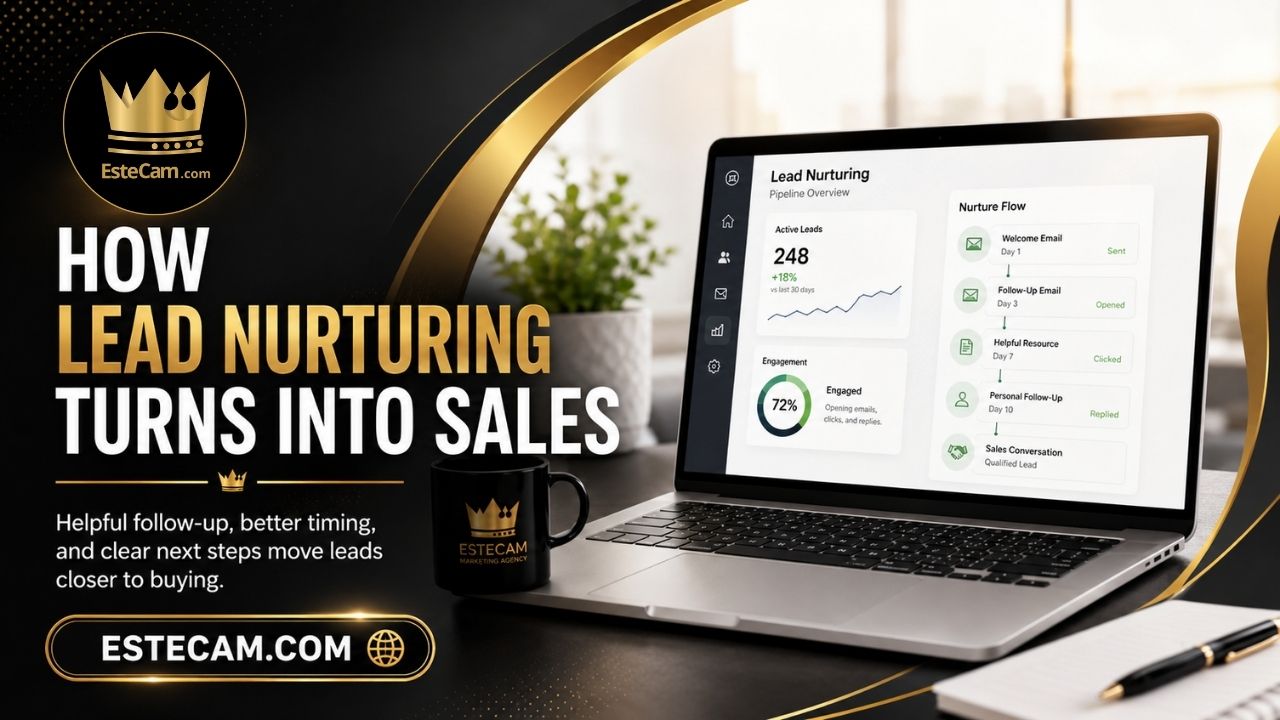
How Lead Nurturing Turns Into Sales for Small Businesses
How Lead Nurturing Turns Into Sales
Getting a new lead feels like progress, but a lead is not the same as a customer.
Someone may fill out a form, request information, send a message, or visit your website without being ready to buy right away. They might still be comparing options, checking prices, waiting for the right timing, or deciding whether your business is the right fit.
That is where lead nurturing matters.
Lead nurturing is the process of staying connected with potential customers in a helpful, consistent way until they are ready to take the next step. For small businesses, it can make the difference between a contact that disappears and a lead that eventually becomes a sale.

Why Most Leads Do Not Buy Immediately
Business owners sometimes assume that if someone is interested, they should be ready to buy now. In reality, many customers need more time.
A homeowner may request quotes from several contractors. A business owner may compare marketing agencies. A customer may browse a service page, leave, and return later after reviewing other options.
That does not mean the lead is bad. It usually means the decision is still being made.
If your business only follows up once, you may lose people who were genuinely interested but not ready at that exact moment. Lead nurturing keeps your business visible while giving prospects useful reasons to keep considering you.
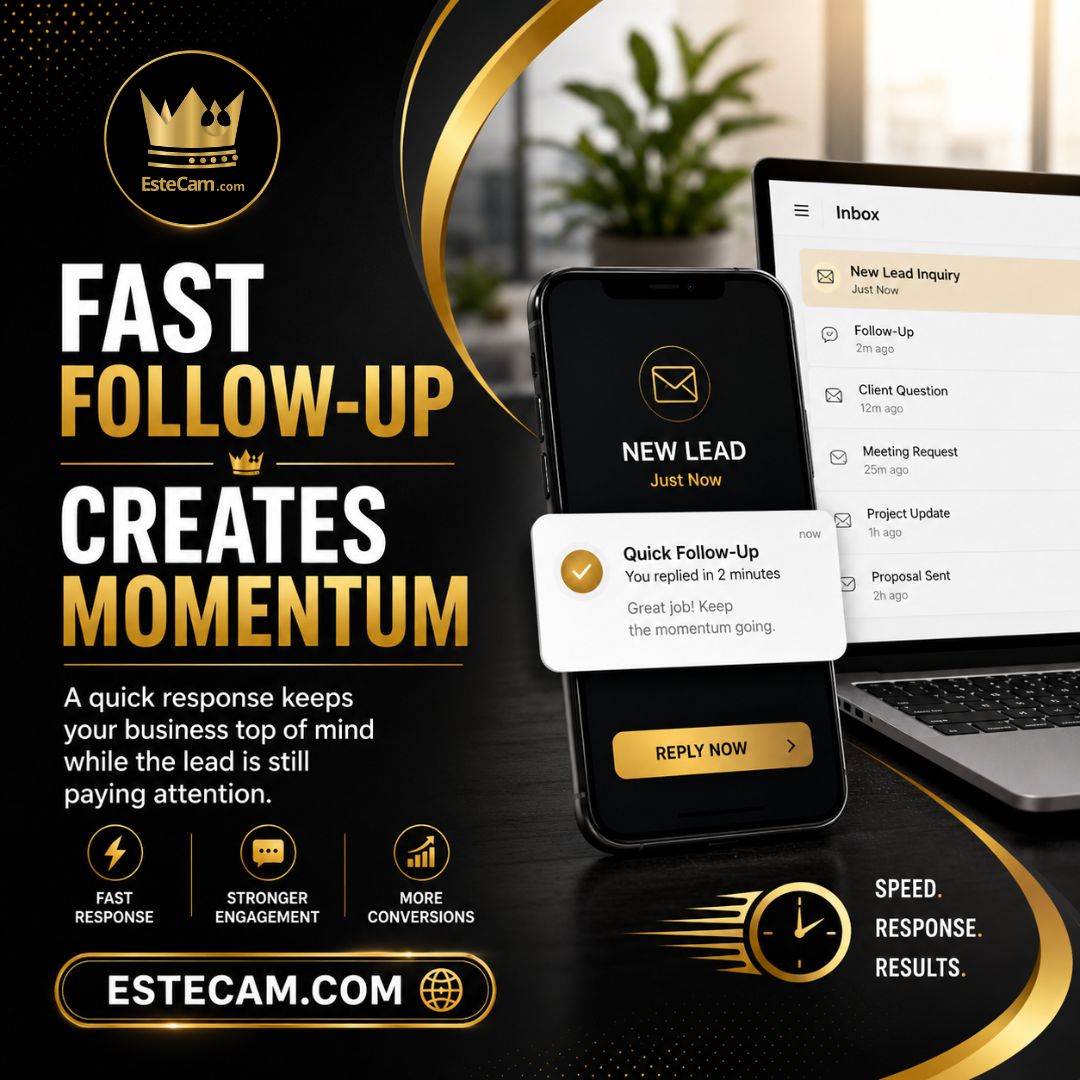
Fast Follow-Up Creates Momentum
The first part of lead nurturing is simple: respond quickly.
When someone fills out a website form or sends a message, they are already thinking about the problem your business solves. A timely response helps keep that momentum going.
Your first follow-up does not need to be complicated. Confirm that you received their request, explain what happens next, and make it easy for them to reply, call, schedule, or provide more information.
Even a basic automated confirmation can help. It lets the lead know their message did not disappear and gives your business a more organized first impression.
The goal is not to pressure them. The goal is to remove uncertainty.
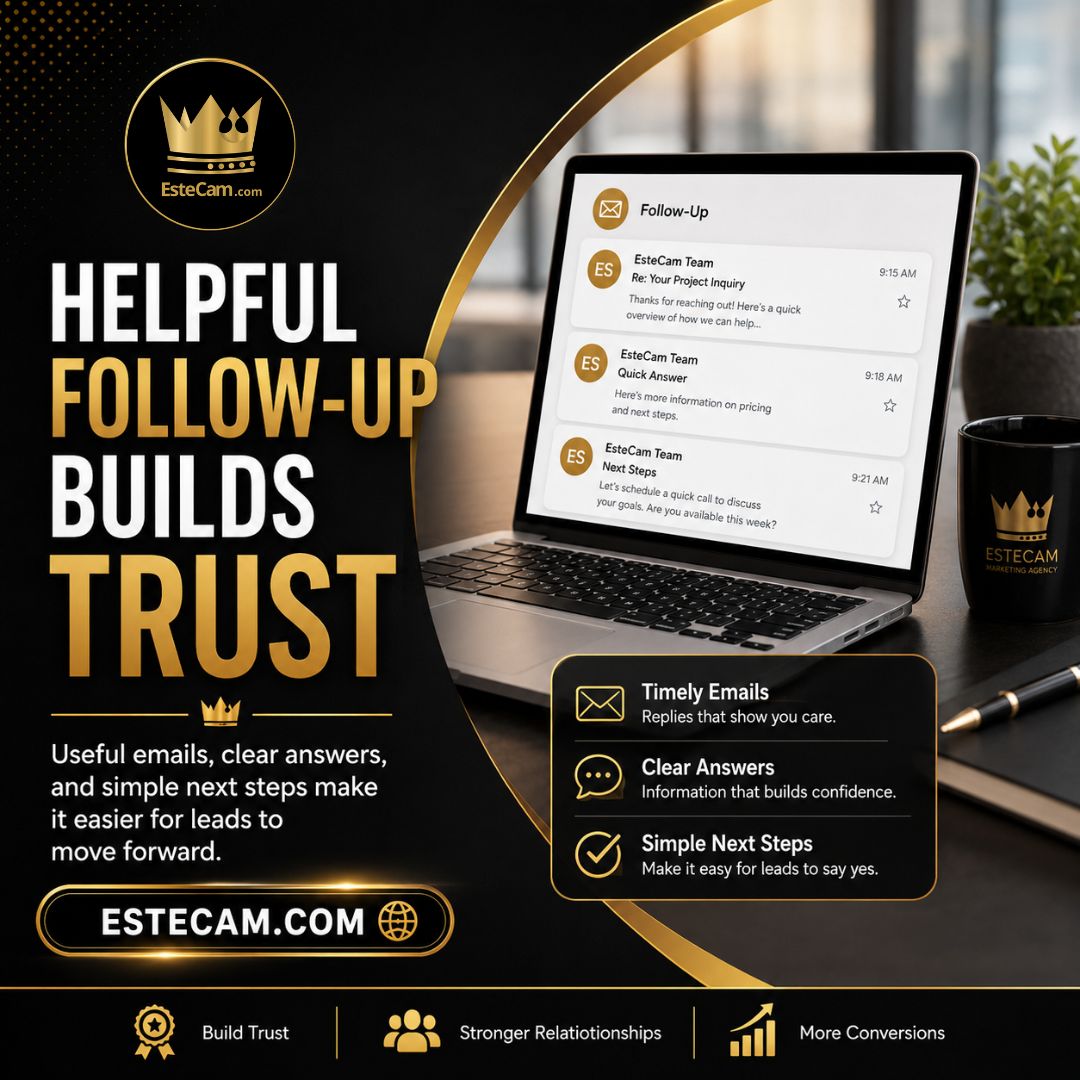
Useful Follow-Up Builds Trust
Good lead nurturing is not sending repeated messages that say, “Are you ready yet?”
A stronger approach is to answer questions and reduce hesitation. If customers often ask about your process, explain it. If they are unsure which service fits them, provide a simple comparison. If they need to know what happens after booking, walk them through the next steps.
Useful follow-up can include short emails, text messages, service information, frequently asked questions, helpful blog posts, reminders, or examples of how your process works.
Every message should have a reason to exist.
For example, a contractor might explain how estimates work. A cleaning company could share what is included in a move-out cleaning. A marketing agency could explain the difference between a homepage and a landing page.
Helpful information makes it easier for a lead to make a decision without feeling chased.
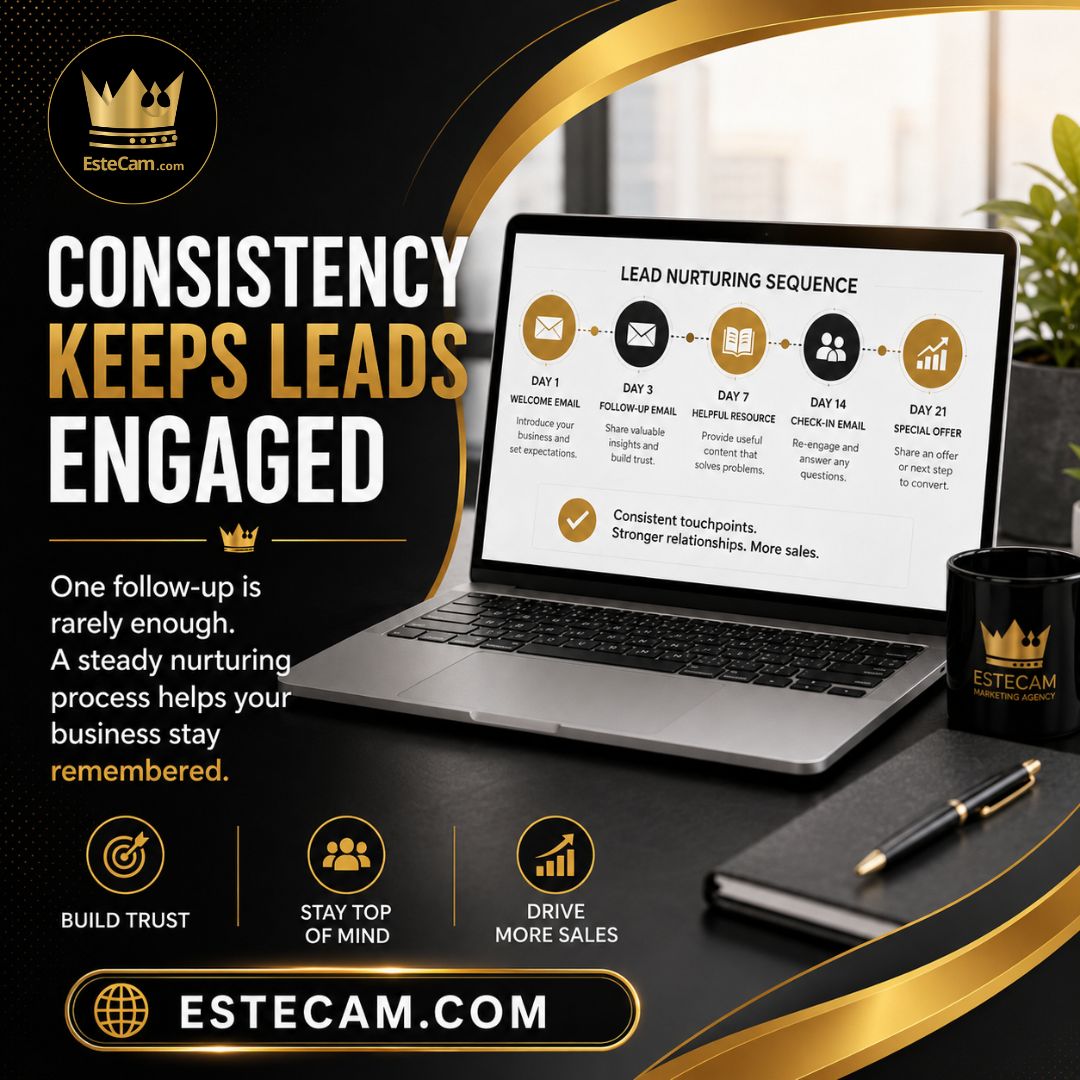
Consistency Keeps Your Business From Being Forgotten
People get busy. They open an email and forget to respond. They save a website and never return. They mean to call but get pulled into something else.
This is why consistent customer follow-up matters.
A simple nurturing sequence can keep your business visible without requiring you to remember every lead manually. You might send an immediate confirmation, share useful information later, check in again, and then invite the lead to take the next step.
The exact sequence depends on your business, but the principle is the same: do not rely on one message.
Consistency helps your business stay familiar. When the prospect is ready to decide, the company that stayed helpful and easy to reach is more likely to be remembered.
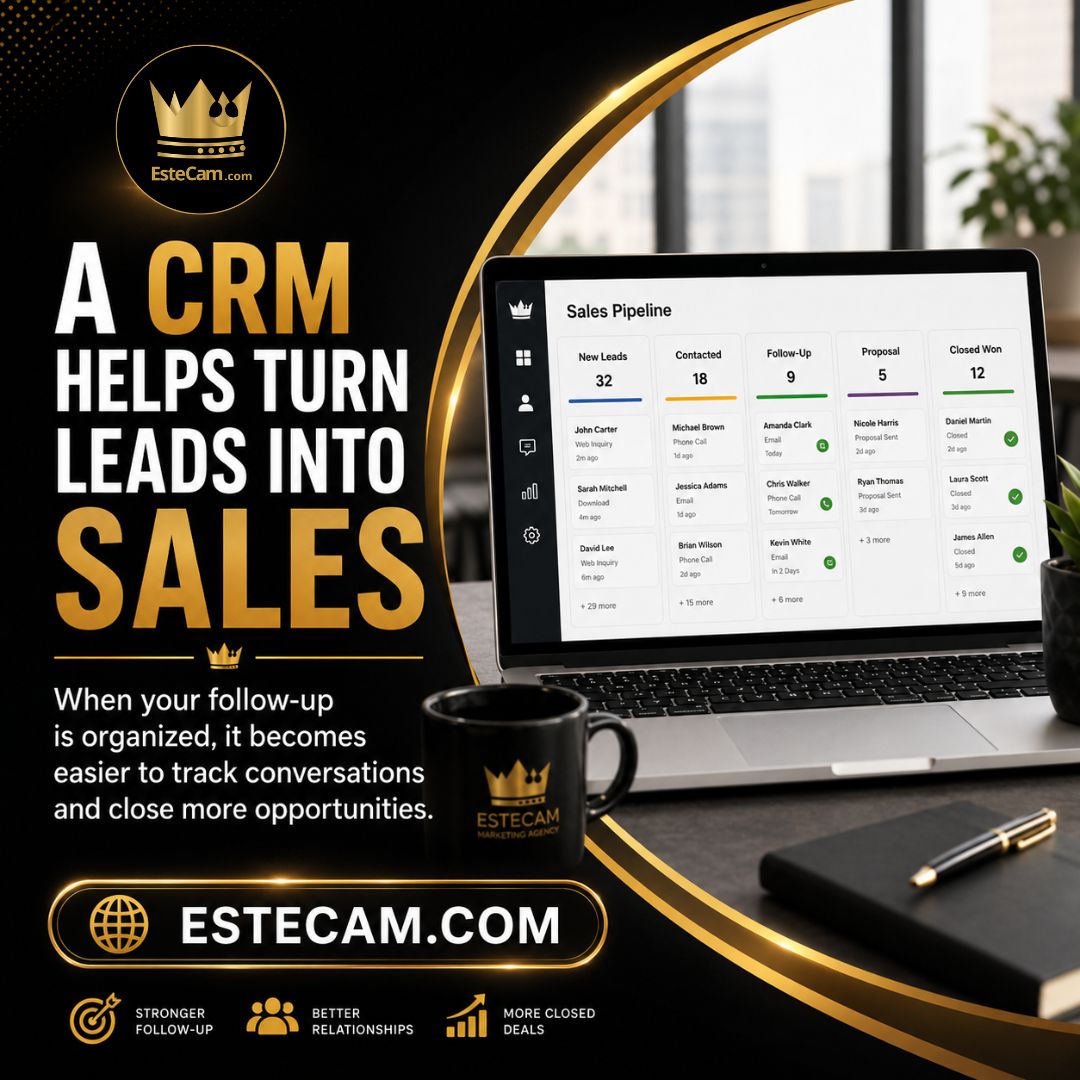
CRM Tools Make Lead Nurturing Easier
Lead nurturing becomes difficult when contact information is scattered across email, text messages, social media, paper notes, and website forms.
A CRM helps organize those conversations.
With a simple CRM system, you can track who contacted you, what they asked about, when you followed up, and what stage they are in. CRM automation can also handle confirmations, reminders, and routine follow-up messages.
This does not mean every conversation should feel automated. Automation should handle repetitive steps so you can spend more time on conversations that need a personal response.
For small business marketing, this creates a cleaner sales process and reduces the chance of leads being forgotten.
Your Website Should Support the Nurturing Process
Lead nurturing starts before the first follow-up.
Your business website should help visitors understand what you do, who you help, and what they should do next. Clear service pages, strong calls-to-action, simple forms, and useful content can answer questions before someone even becomes a lead.
Once they contact you, the same clarity should continue.
If your website promises a simple process but your follow-up is slow or confusing, trust can drop. Your website strategy, lead generation, and follow-up system should work together from the first visit through the final decision.
Simple Lead Nurturing Is Better Than No System
You do not need a complicated sales funnel to start nurturing leads better.
Check what happens after someone contacts your business. Do they receive a confirmation? Does someone follow up? Is there a clear next step? Are unanswered leads checked again later? Can your team see which conversations still need attention?
Fixing those gaps can make your marketing more useful without needing more traffic or more advertising.
Lead generation gets people into the conversation. Lead nurturing helps move that conversation forward.
A lead does not need more pressure. They need clarity, trust, useful information, and an easy next step.
When your website, CRM, and customer follow-up work together, your business can stay connected with prospects and help more of the right people feel ready to buy.
Ready to make your business look more professional online? Start My Free Website with EsteCam.
Frequently Asked Questions:
1. What is lead nurturing?
Lead nurturing is the process of staying connected with potential customers after they show interest in your business. It can include emails, text messages, helpful content, reminders, and personal follow-ups that guide leads toward their next step.
2. Why is lead nurturing important for small businesses?
Not every lead is ready to buy immediately. Lead nurturing helps your business stay visible, answer questions, build trust, and keep interested prospects from being forgotten after their first inquiry.
3. How does lead nurturing turn leads into sales?
Lead nurturing moves prospects closer to a decision by giving them useful information at the right time. Consistent follow-up can reduce uncertainty, answer objections, and make it easier for a lead to take the next step when they are ready.
4. How quickly should a business follow up with a new lead?
It is generally best to respond as soon as reasonably possible. A quick confirmation lets the person know their inquiry was received and keeps the conversation moving while their interest is still fresh.
5. What should I send when following up with a lead?
Send information that helps the person make a decision. This might include answers to common questions, details about your service, an explanation of your process, helpful resources, or a clear next step such as scheduling a call or requesting more information.
6. How many times should I follow up with a lead?
There is no single number that works for every business. Instead of relying on one follow-up, create a simple sequence of useful touchpoints while avoiding repetitive or pushy messages. Each follow-up should have a clear purpose.
7. What is the difference between lead nurturing and chasing leads?
Chasing leads usually focuses on repeatedly asking someone to buy or respond. Lead nurturing focuses on helping the prospect by answering questions, providing useful information, staying available, and making the decision process easier.
8. Can a CRM help with lead nurturing?
Yes. A CRM can organize contact information, track conversations, record where each lead is in the sales process, and help your team remember when follow-up is needed. CRM automation can also handle routine confirmations and reminders.
9. Can my website help nurture leads?
Yes. Your website can answer questions before and after someone contacts you. Clear service pages, useful content, strong calls-to-action, and simple forms can help visitors understand your business and make their next step easier.
10. Do I need complicated marketing automation to nurture leads?
No. A simple system is often enough to get started. Make sure new inquiries receive a response, give leads a clear next step, follow up when appropriate, and keep conversations organized so interested prospects do not fall through the cracks.
