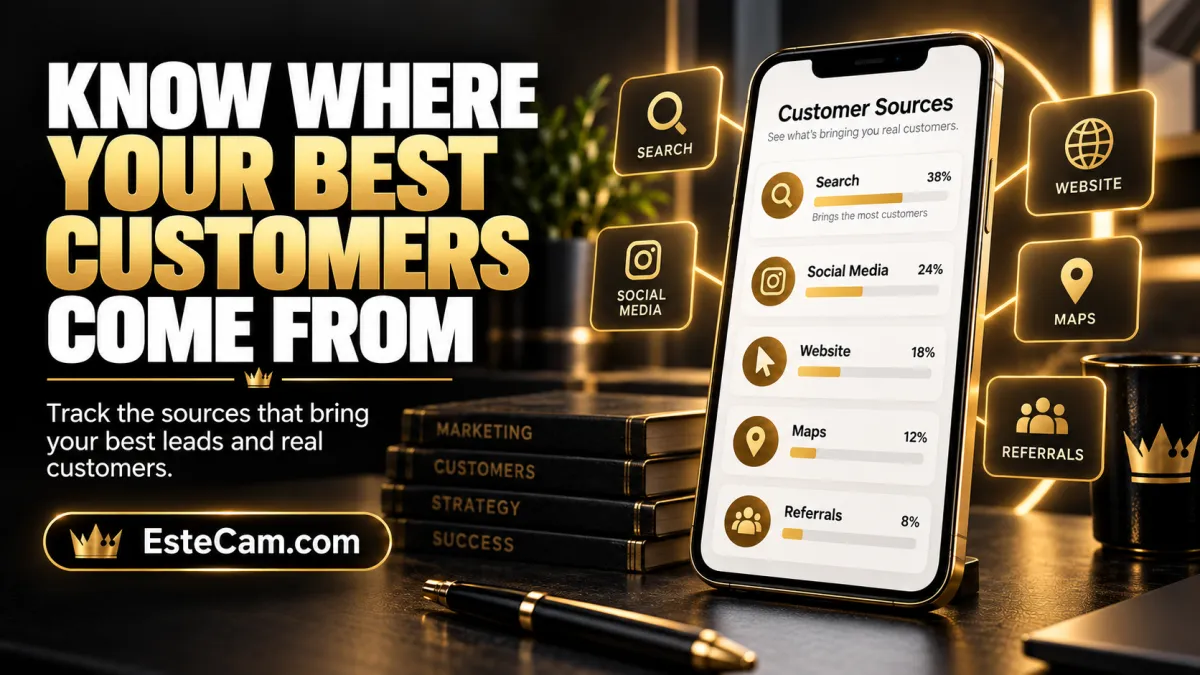
Know Where Your Best Customers Come From
If you spend time on social media, your website, referrals, email, or advertising, ask a simple question: which activities bring customers who are a good fit?
Without that information, marketing decisions rely on guesses. A channel may get attention but few sales, while a quieter source may bring customers who return and refer others. You do not need a complex dashboard to start learning. Ask customers how they found you, record the answer, and compare it with what happened next.
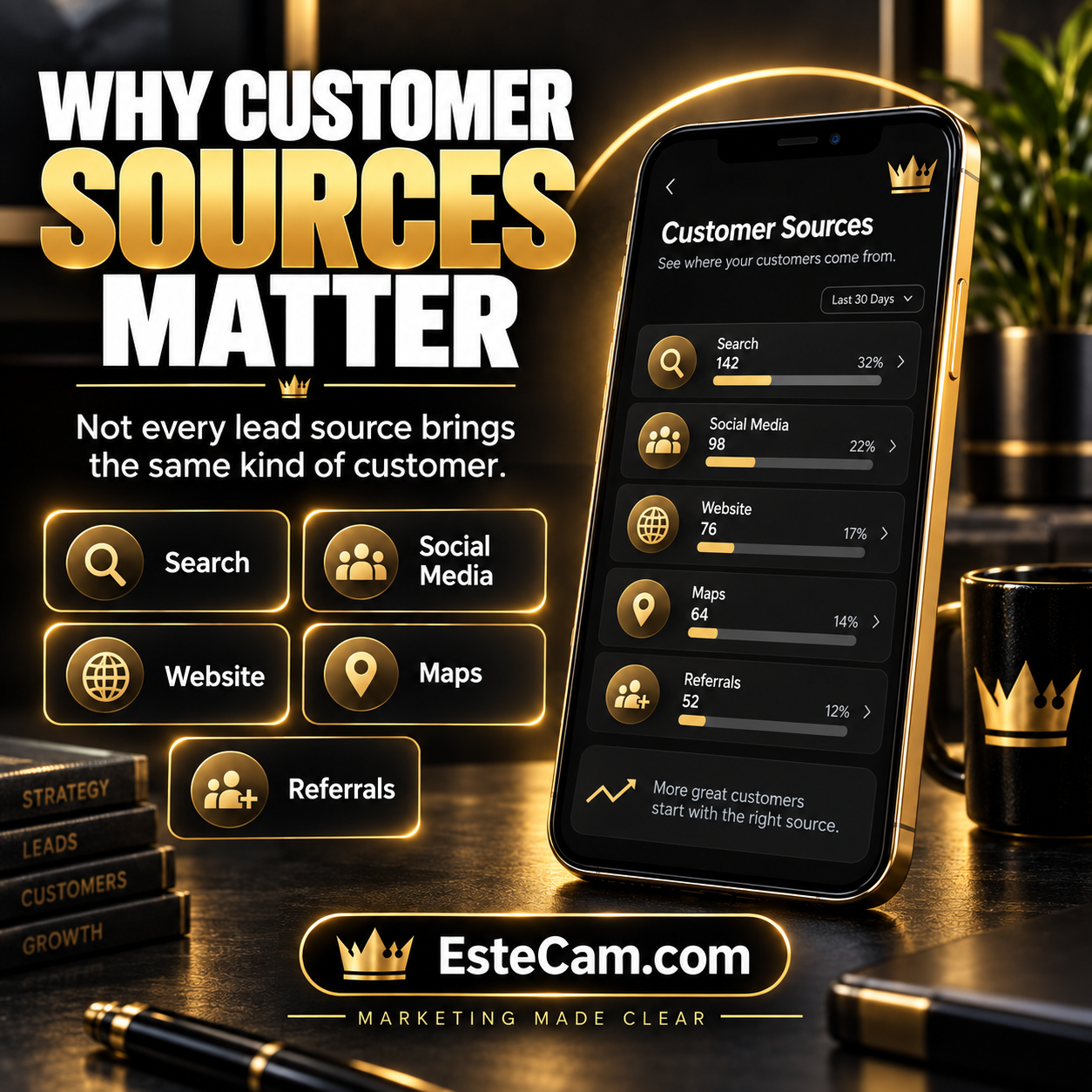
Why the Source Matters
Every customer follows a path. Someone might find you through a search, while another person hears about you from a friend, sees a social post, and visits your website before reaching out. Knowing where people first discover your business shows which activities are creating awareness.
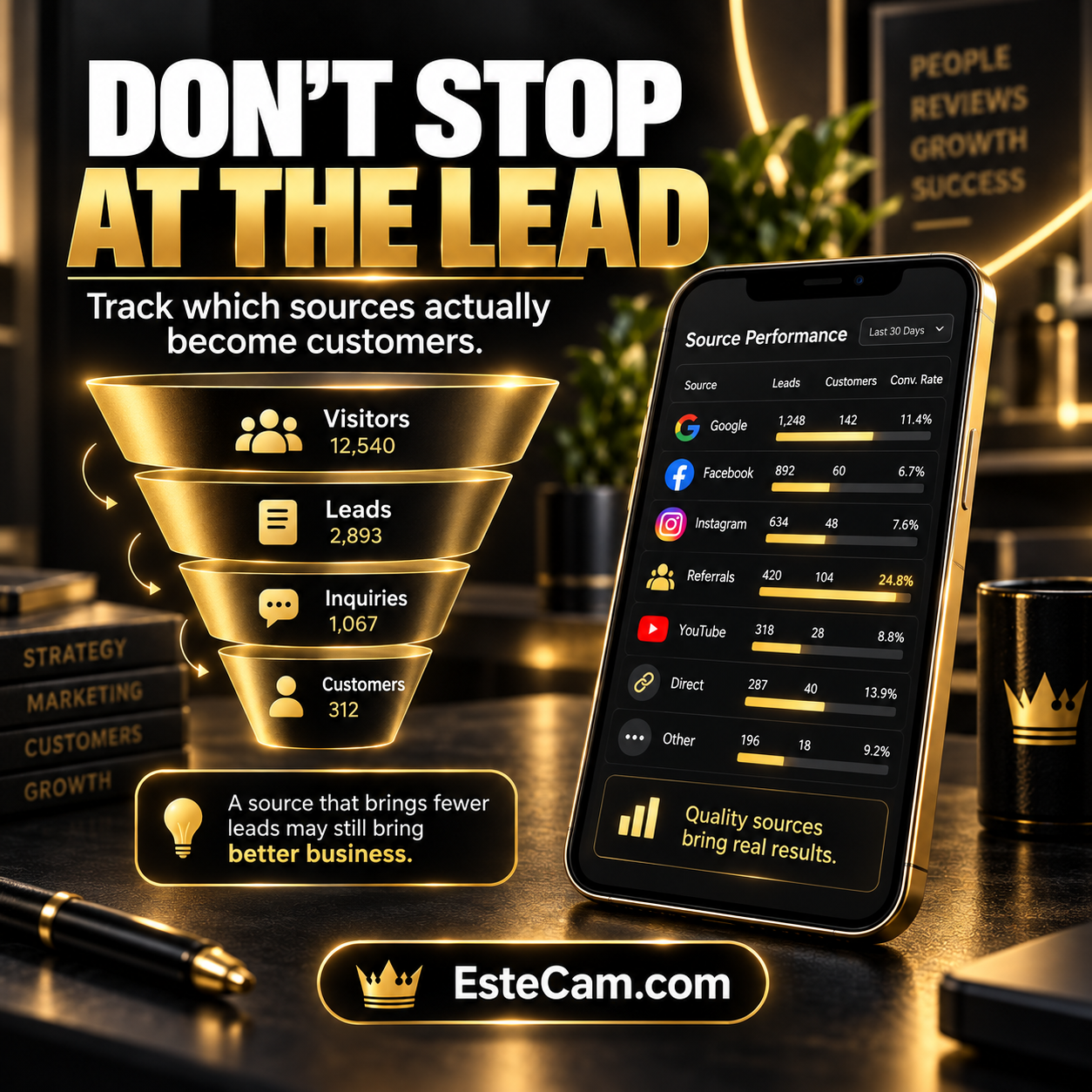
Then look at the outcome. A source that brings many inquiries may not bring many customers. Another may bring fewer inquiries, but more of them may be ready to buy or better suited to your services. Tracking both source and outcome gives you a clearer picture than counting clicks or messages alone.
Ask Customers in a Simple, Consistent Way
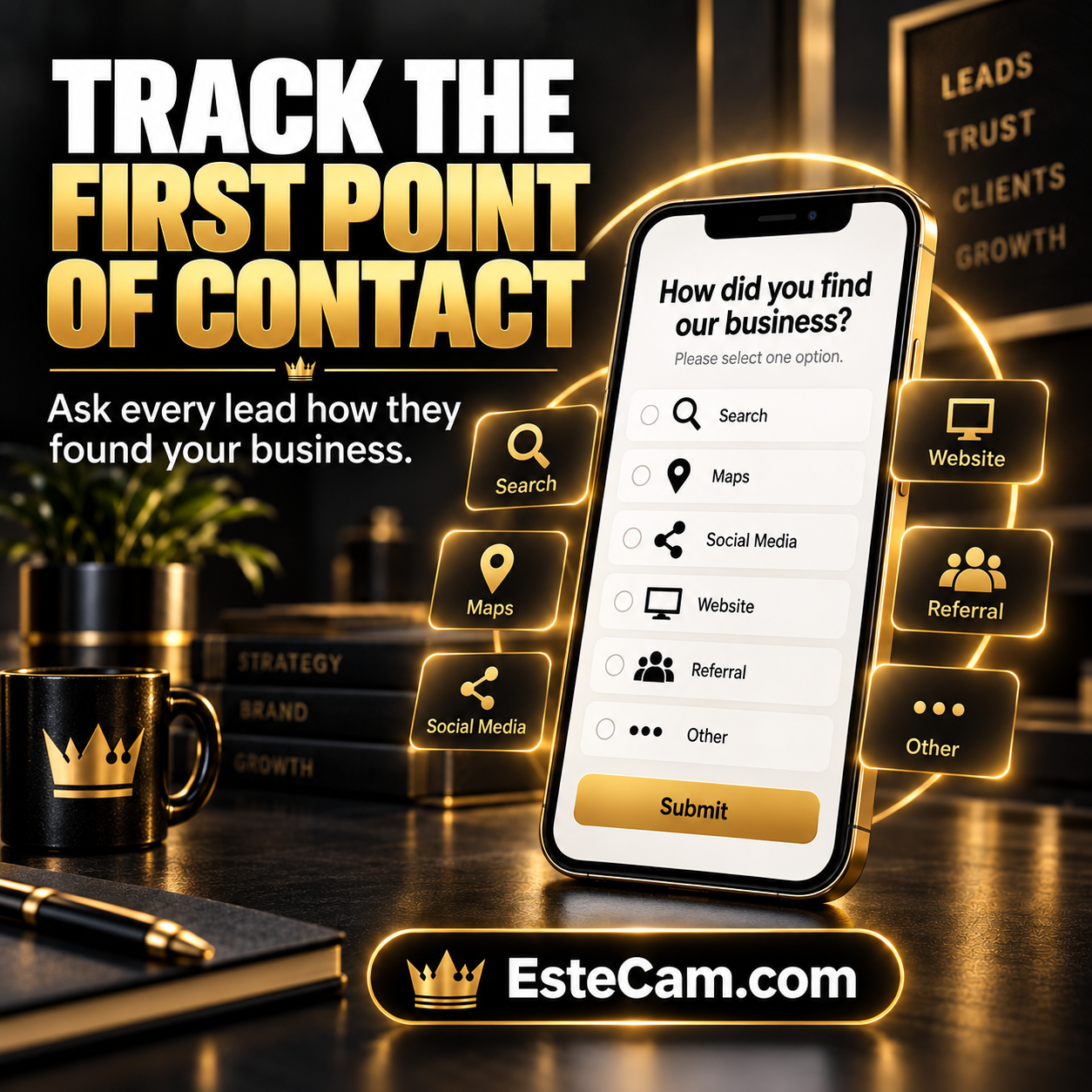
Ask, “How did you hear about us?” Add the question to an inquiry form, ask during an intake call, or include it when welcoming a new customer.
Offer a short list of likely sources, such as search, social media, referrals, email, events, or returning customers. Add “Other” so people can name a source you missed. Keep the question optional if it makes a short form feel too long. Ask it consistently so you can compare answers over time.
Do not assume the first answer tells the whole story. A customer might say “Google” because that is where they found your phone number, even if a friend first mentioned your business.
Track Discovery and the Reason They Reached Out
Customers can encounter your business in more than one place. If it would help your decisions, ask two questions: “Where did you first hear about us?” and “What made you reach out today?” The first points to discovery; the second shows what helped them take action.
Record the answers in one place, such as a spreadsheet, your customer relationship management system, or the inquiry notes you already use. Pick a method your team will maintain. A simple record updated every time is more useful than a detailed system that quickly becomes outdated.
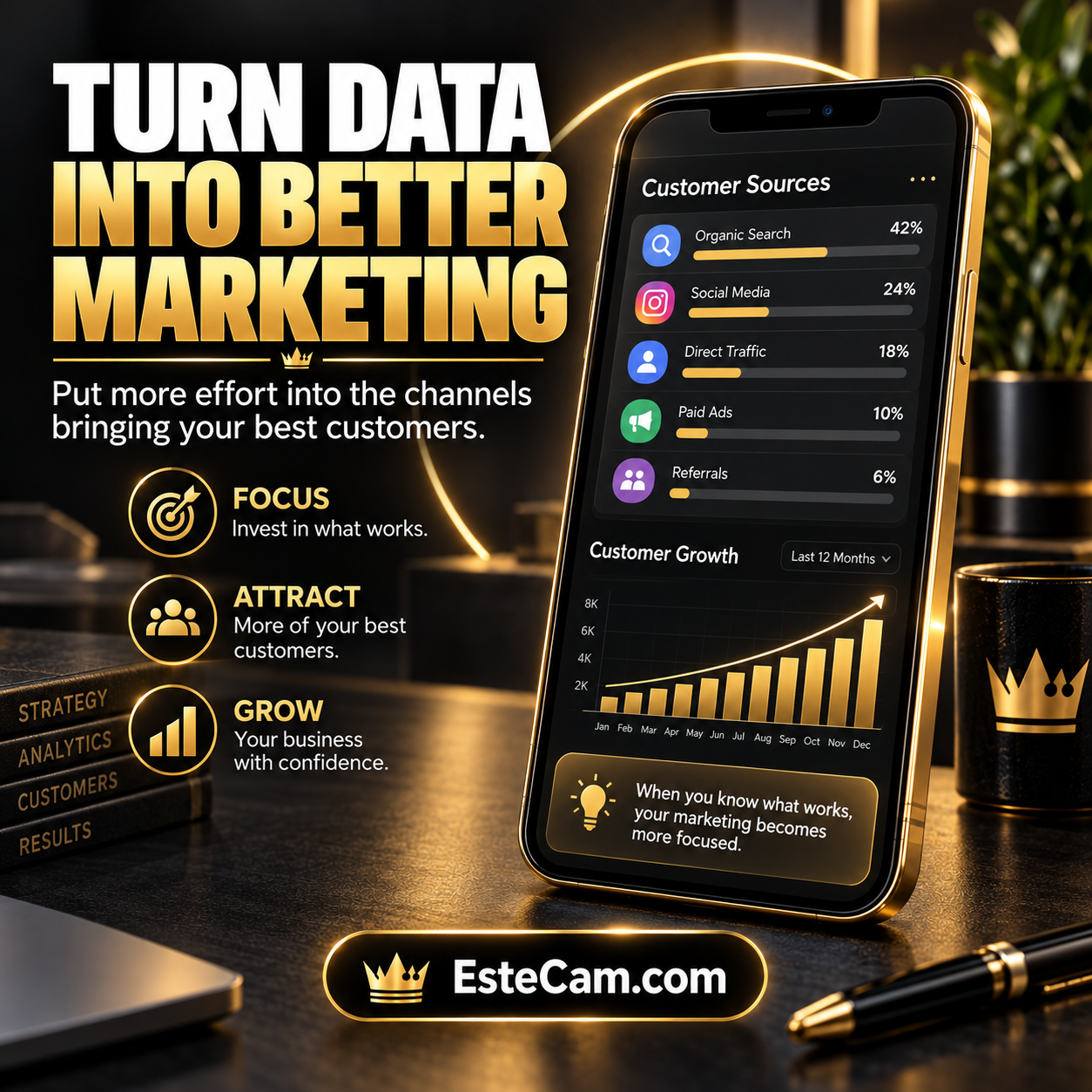
Measure Customer Quality, Not Just Inquiry Volume
Your best marketing source is not automatically the one with the most inquiries. Decide what a valuable customer means for your business. It could be a good fit for your services, a completed purchase, repeat work, or a referral.
Track a few outcomes that matter: inquiries, customers who bought or booked, repeat customers, and referrals. A contractor might note whether an inquiry matches the work they want to do. A shop might compare which sources bring customers who come back. Use these details to see which channels attract the customers your business can serve well.
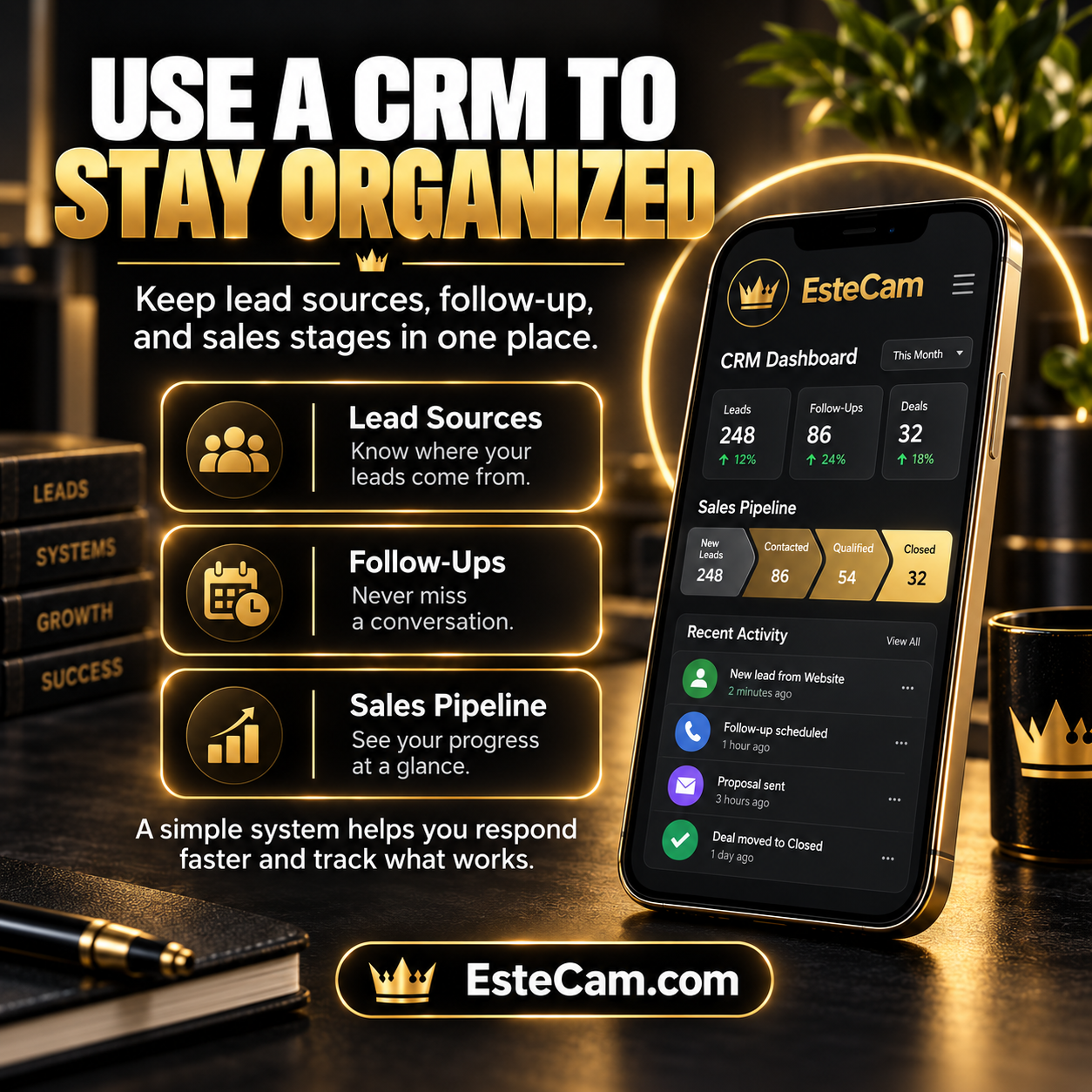
Connect Your Website to the Customer Journey
Your website can help turn interest into contact. Give each service a clear page and an obvious next step, such as calling, booking, or requesting a quote. Forms can ask what service the visitor needs and collect the source they remember.
If you share links in different campaigns, tagged links can help distinguish visits from those sources. Website analytics can show how people use your site, when available, but visitor counts alone do not tell you which visits became customers. Connect website activity with the inquiries and sales you record.
Review Patterns Before Changing Your Plan
Review your notes monthly or quarterly. Which sources brought good-fit customers? Which inquiries did not move forward? Are more people returning or referring others? Is your website answering the questions customers have before they contact you?
Avoid making a major change based on one customer or a short period. Look for patterns over time and combine the numbers with what customers tell you. Then choose one useful next step, such as improving a service page, making referrals easier, or creating more content for a channel that brings the right people.
Knowing where your best customers come from helps you focus your marketing on business outcomes. Start with one question, keep a simple record, and use what you learn to improve your website and follow-up.
Frequently Asked Questions
What does it mean to know where customers come from?
It means tracking how customers discover your business and what prompts them to contact or buy.Why should small businesses track customer sources?
It shows which marketing activities bring inquiries and customers who fit the business.What is the easiest way to ask customers?
Ask, “How did you hear about us?” on a form, during a call, or when welcoming them.What source options should I list?
Include relevant choices such as search, social media, referrals, email, events, and returning customers.Should I require an answer on my form?
Not necessarily. Keep the question optional if it adds friction to a short form.Does the first source always lead to a sale?
No. A customer may discover you in one place and decide to contact you after another interaction.What should I measure along with the source?
Track whether inquiries become customers, and whether customers return or refer others.Do I need a CRM for source tracking?
No. A spreadsheet or consistent inquiry notes can work for a small business.How often should I review the information?
A monthly or quarterly review helps reveal patterns without reacting to every short-term change.What if a customer cannot remember the source?
Record “not sure.” Use other clues when available and avoid guessing.
Ready to make your business look more professional online? Start My Free Website with EsteCam.
