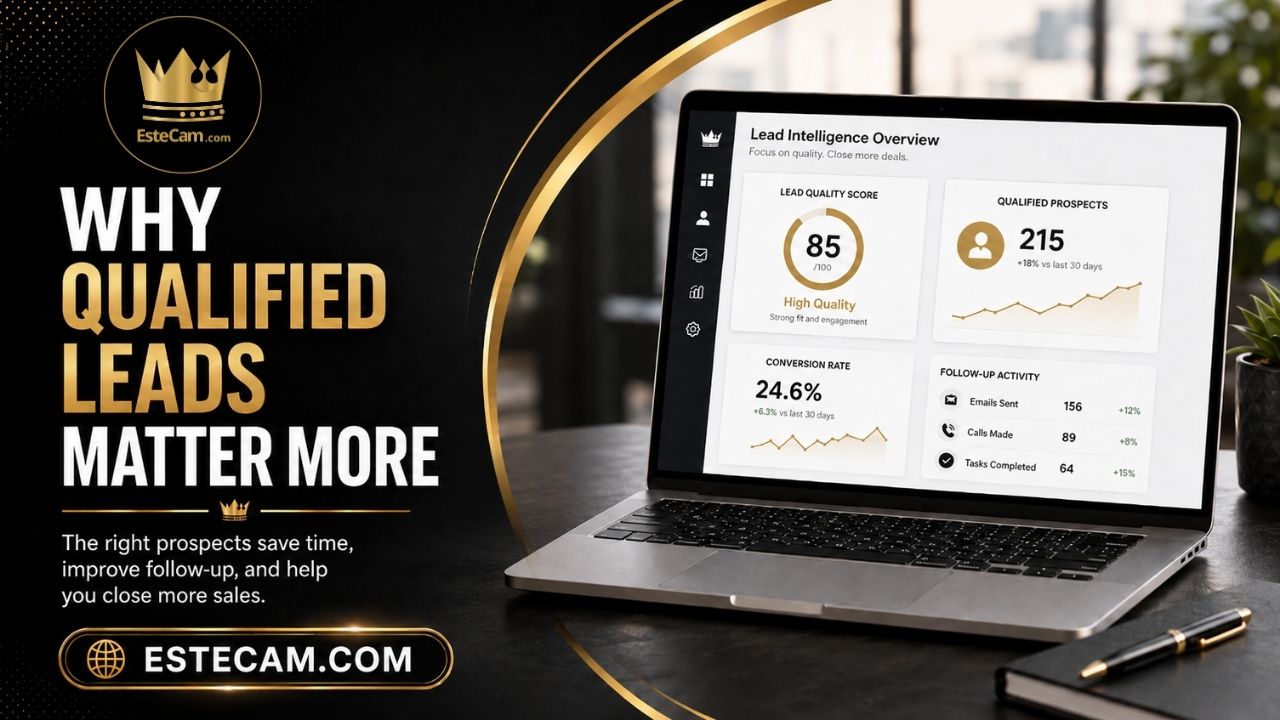
Why Qualified Leads Matter More Than More Leads
Why Qualified Leads Matter More Than More Leads
Getting more leads sounds like the obvious goal for any business.
More names, more phone numbers, more email addresses, and more people filling out forms can make it feel like your marketing is working.
But a bigger lead list does not automatically mean more customers.
If most of those people are not interested, cannot afford your service, are outside your service area, or are simply not ready to buy, your team can spend hours following up without getting much in return.
That is why qualified leads matter more than simply having more leads.
The goal is not to talk to everyone. The goal is to reach more of the people who are actually a good fit for your business.

What Is a Qualified Lead?
A qualified lead is someone who has a stronger chance of becoming a customer because their needs match what your business offers.
They may already be looking for the service you provide, live within your service area, have the budget to move forward, or have shown clear interest in taking the next step.
For example, someone who downloads a free guide may technically be a lead. But someone who requests a quote for a service you provide in their area is usually a much stronger opportunity.
Both contacts are valuable, but they should not always receive the same level of attention.

More Leads Can Also Mean More Work
Businesses often focus heavily on increasing lead volume.
They run ads, create promotions, add forms to their website, and try to get as many people as possible into their CRM.
The problem begins when the leads start coming in but very few are actually a good fit.
Your team may spend time calling people who never answer, following up with prospects who cannot afford the service, or responding to people looking for something your business does not provide.
You may end up with a large database and very little increase in actual sales.
More leads can make your numbers look impressive, but poor-quality leads can also create more work.
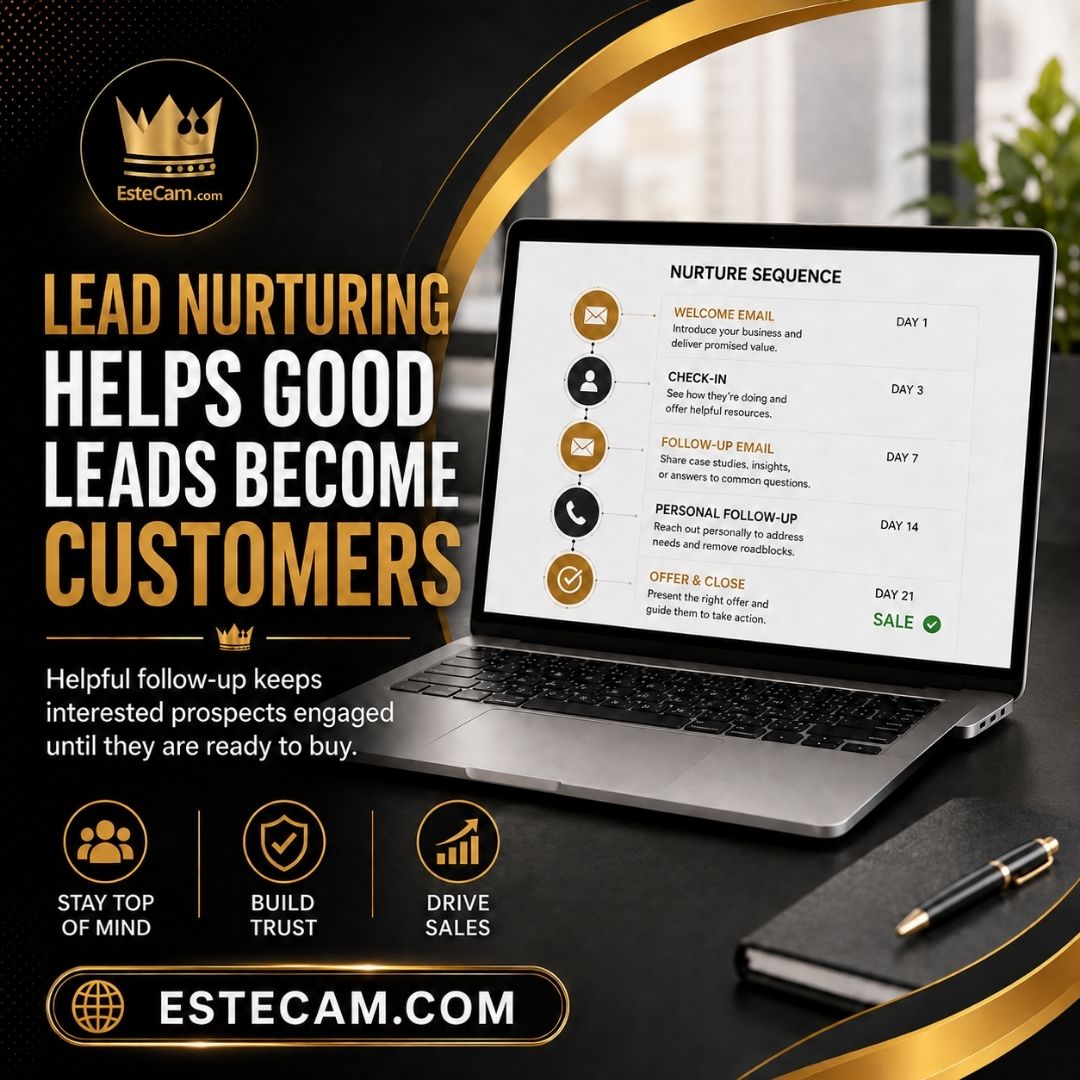
Qualified Leads Make Follow-Up Easier
When your leads are better qualified, your team can spend more time talking to people who actually have the potential to become customers.
Instead of making twenty calls just to find one interested person, your team may be able to focus on a smaller group of stronger prospects.
This makes follow-up more efficient and helps sales conversations become more productive.
Your CRM also becomes more useful because it is not simply storing hundreds of random contacts. It becomes a system that helps your team identify real opportunities and move the right people toward a sale.
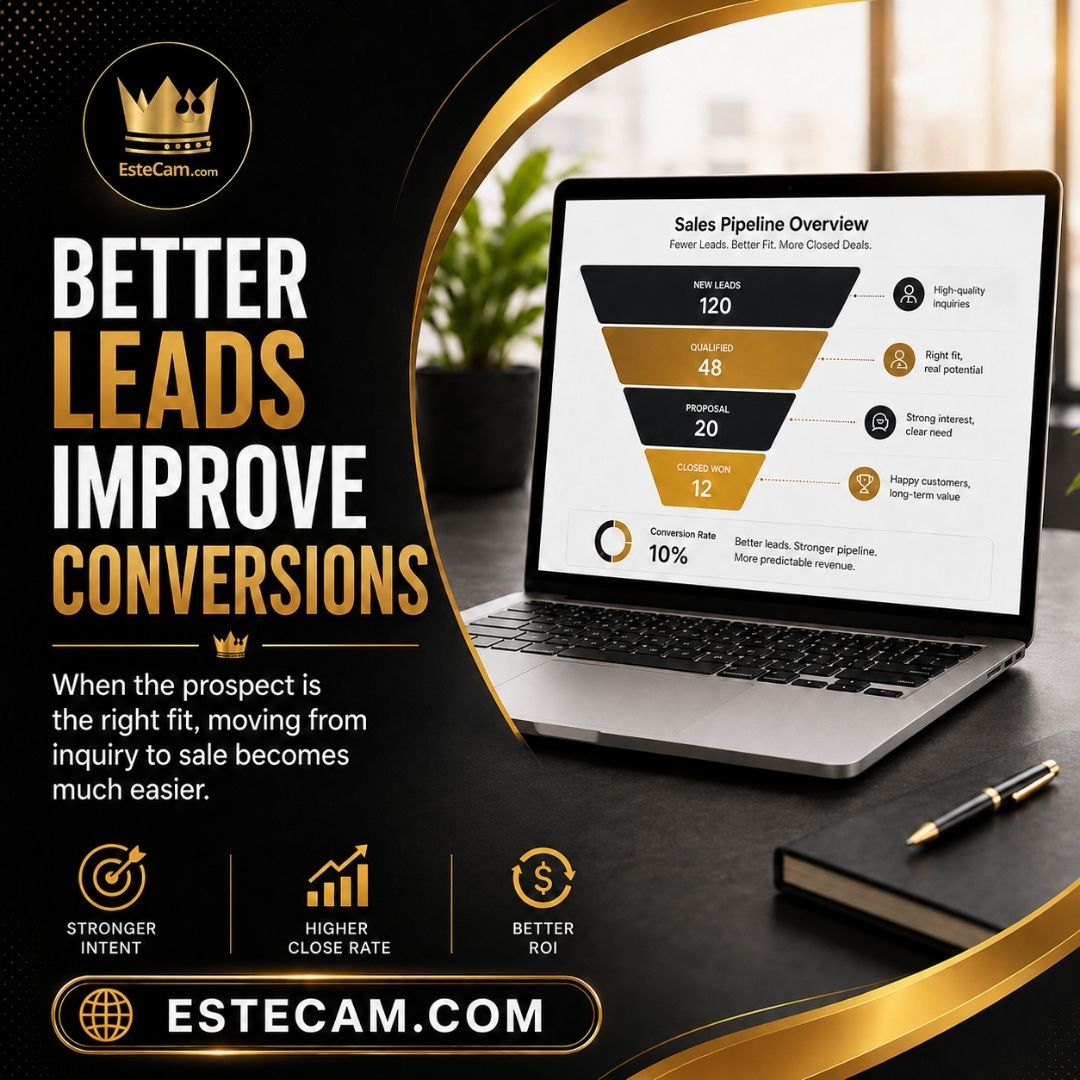
Better Leads Can Improve Conversion Rates
Consider two businesses.
One business generates 1,000 leads and closes 20 customers.
Another generates only 200 leads but closes 30 customers.
The first business generated far more leads, but the second business generated better opportunities.
That is why lead volume alone does not tell the whole story.
Conversion matters.
When your marketing attracts people who already match your ideal customer, the sales process begins with a stronger opportunity. Your team is not trying to convince someone who was never a good fit. They are helping someone who already has a reason to consider your business.

Qualification Starts With Your Marketing
Lead quality does not begin after someone fills out a form.
It begins with the marketing that brought them to your website in the first place.
Your website, ads, social media, and landing pages should clearly explain who you help, what you offer, where you operate, and what someone should do next.
When your message is specific, it naturally filters your audience.
The right prospects can quickly recognize that your business may be able to help them. People who are not a good fit are less likely to enter your sales process.
That can save your team a significant amount of time.
Your Website Can Help Qualify Leads
Your website forms can also help you understand which prospects deserve immediate attention.
Instead of collecting only a name, phone number, and email address, you can ask a few simple questions that help your team understand what the person actually needs.
You might ask what service they are interested in, where they are located, when they want to get started, or what type of project they are planning.
You do not need a long form.
A few useful questions can give your team enough information to decide which leads need immediate follow-up and which ones may need more nurturing first.
Not Every Lead Is Ready at the Same Time
Some people are ready to buy today.
Others are still researching, comparing options, or trying to understand what they need.
That does not mean they are bad leads.
It simply means they are at a different stage of the buying process.
Someone requesting pricing today may need a fast sales response. Someone who downloaded a guide may need helpful emails or reminders before they are ready to talk.
This is where lead nurturing becomes valuable.
Instead of treating every contact exactly the same, businesses can use email, SMS, CRM pipelines, and automated follow-up to stay connected until the prospect is ready for the next step.
Focus on the Leads That Can Become Customers
Generating leads is important, but collecting contact information should never be the final goal.
The real goal is creating opportunities that can turn into customers.
A smaller group of interested, relevant prospects can be far more valuable than thousands of contacts who have little chance of buying.
Instead of only asking, “How can we get more leads?”
Businesses should also ask, “How can we attract better leads?”
That shift can improve your marketing, make follow-up easier, help your sales team focus on stronger opportunities, and ultimately improve your results.
More leads can make your numbers look bigger.
Qualified leads can help make your business bigger.
FAQs
1. What is a qualified lead?
A qualified lead is someone whose needs, budget, location, or buying intent make them a good match for what your business offers.
2. Why are qualified leads more valuable than having more leads?
Qualified leads are more likely to become customers, which means your team can spend less time chasing poor-fit prospects and more time on real opportunities.
3. Does having more leads always mean more sales?
No. A large number of low-quality leads can create more follow-up work without producing more customers.
4. How can qualified leads improve conversion rates?
When prospects already have a real need and fit your business, it becomes easier to move them from inquiry to conversation and eventually to a sale.
5. How can a business tell if a lead is qualified?
Look at factors such as what service they need, their location, budget, timeline, level of interest, and whether they match your ideal customer.
6. Can a website help qualify leads?
Yes. Clear messaging, targeted landing pages, and a few strategic form questions can help filter prospects before your team begins follow-up.
7. What questions should a lead form ask?
Ask only what helps determine fit, such as the service they need, when they want to start, where they are located, or basic project information.
8. Should businesses ignore leads that are not ready to buy yet?
No. Some good prospects simply need more time. Lead nurturing can keep your business connected until they are ready to take the next step.
9. How does lead nurturing help qualified leads?
Consistent email, SMS, or personal follow-up keeps interested prospects engaged, answers questions, and helps move them closer to buying.
10. What matters more: lead volume or lead quality?
Both can matter, but quality should come first. More of the right leads usually creates better opportunities than simply collecting more contacts.
